
From Industrial Relic to Lake Gem
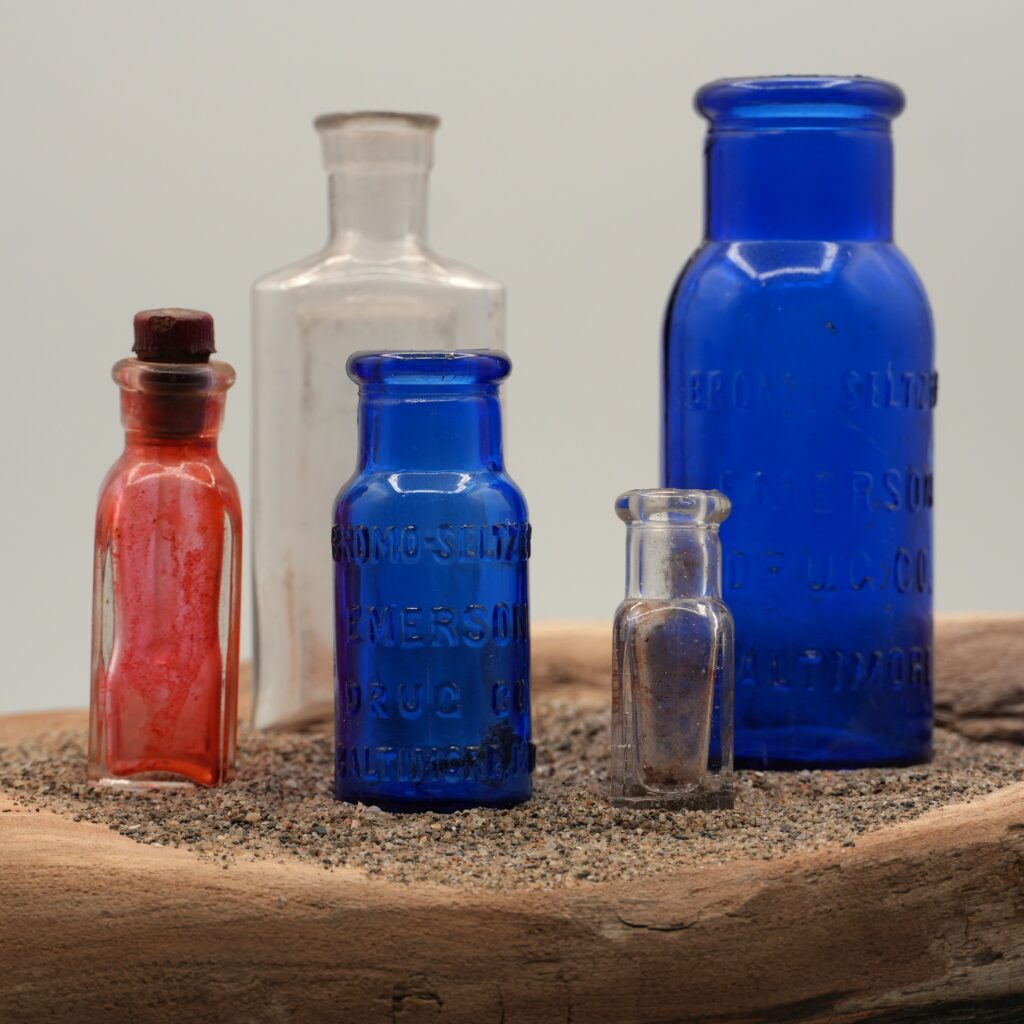
What Is It?
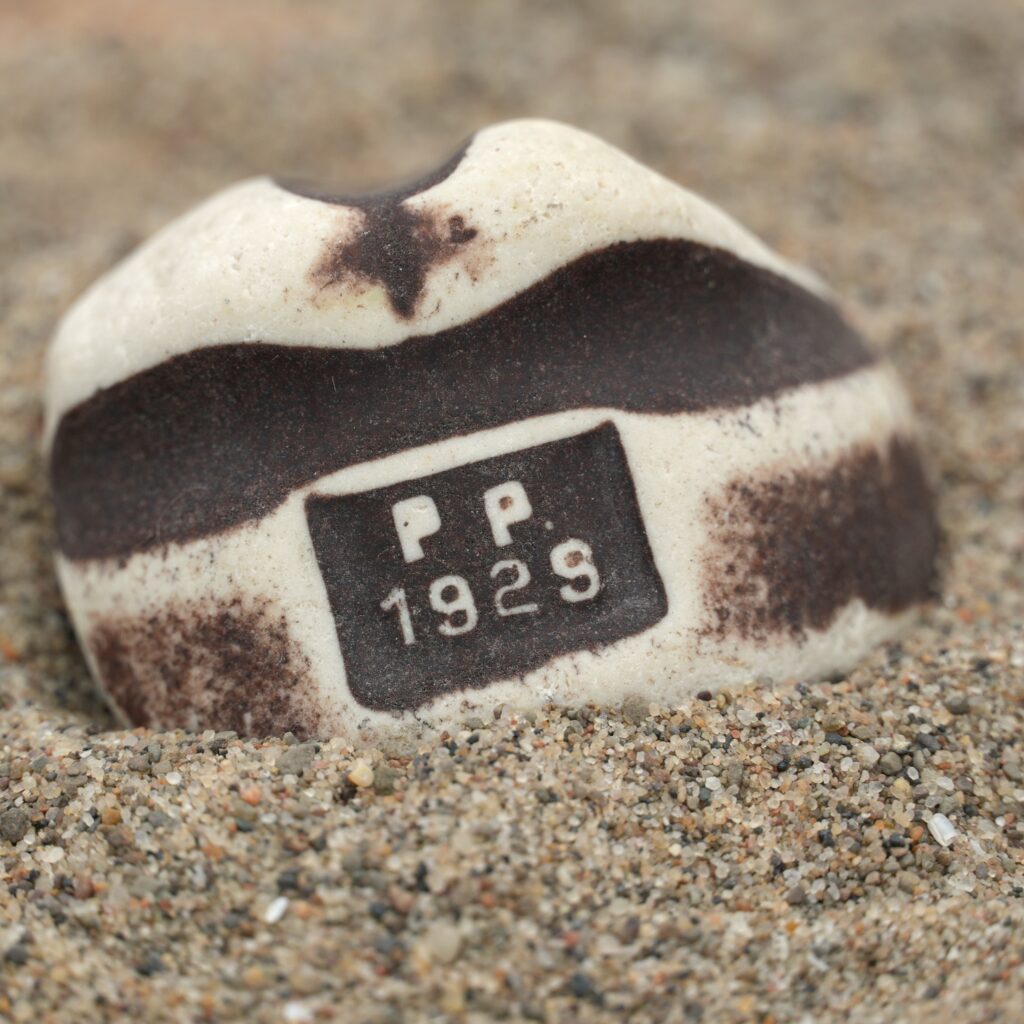
Beach glass is identified by marks, lip shape, and color. Sometimes there is no mistaking what it is. Let’s say, for example, you find a bright aqua piece, rounded at the top, with grooves inside. You definitely have an insulator. Or how about a piece of a China Doll that has been tumbled smooth, but you can still make out her face and hands? Marbles – a great day on the beach for sure!!
Lots of times, though, truly identifying a piece is not possible. However, you can get close to the date depending on the thickness, cloudiness, or how shiny or thin it is. I like to come up with my own idea for those pieces – dishes from a ship wreck, china from someone’s grandmother, or maybe a perfume bottle from the 50’s.
How Did It Get There?
Many say it is simply litter. And, of course, that is sometimes true. Many a city dump has been covered and buried, only to have the erosion take it to the water. But it certainly is not always trash. Other theories would be dishware and bottles from the galleys of the ships that have wrecked. Remember, every household item was put in glass before the widespread use of plastic.
And unfortunately, due to the erosion over the years, many houses have ended up in the water. Just think of how much glass you have in your home. Now imagine if that all ended up in the Lake!
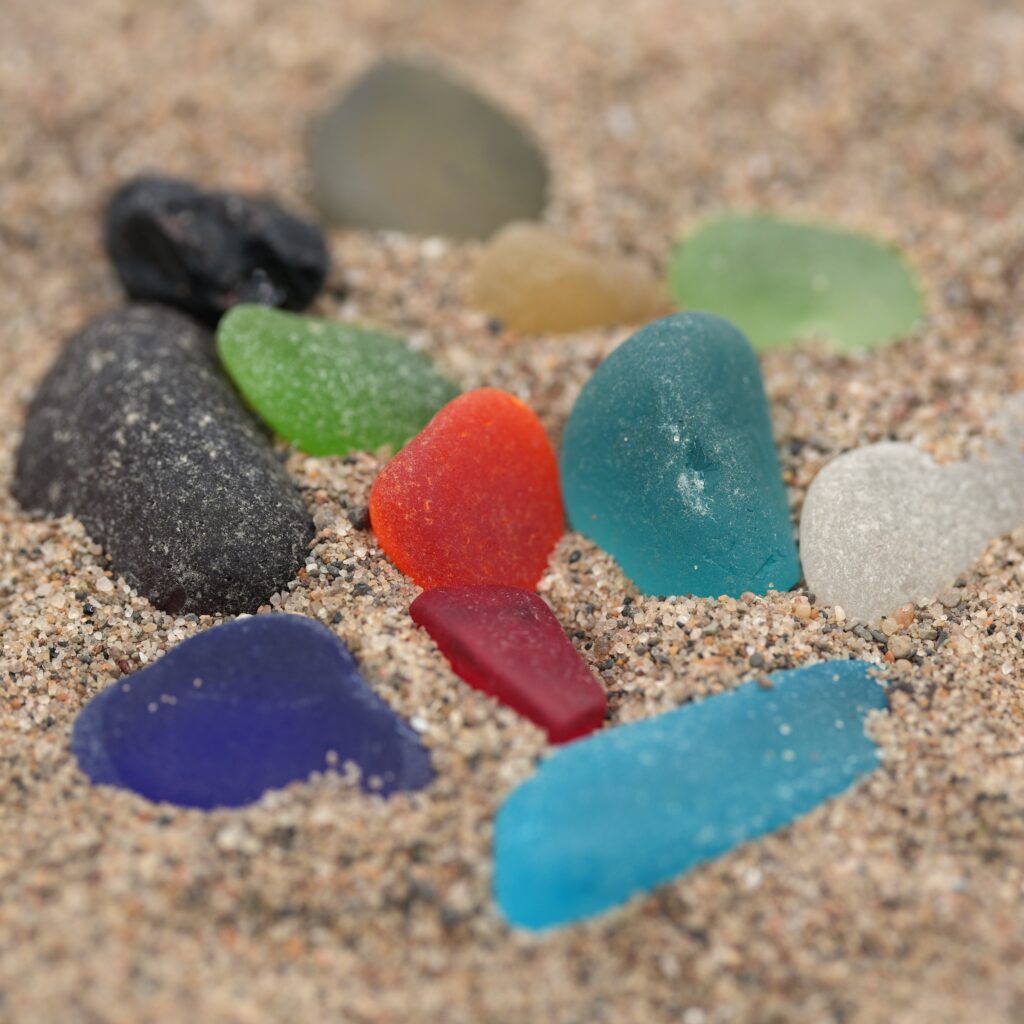
How Old Is It?
Generally, the thicker and cloudier the glass, the older it is. 30 – 100 years old is what is considered to be vintage and antique. Think about old and vintage glass vs. modern-day glass.
Vintage would be things like Mason jars, pharmacy bottles, seltzer bottles, and insulators.
Modern glass is much thinner and shinier. Examples would be beer and wine bottles, dishes, plates, and cups, pickle jars, etc.
The Spectrum: A Rarity Guide
The Fire and Citron Tones
Orange: vases, dishware, art glass
Red: bottles, dishware, ship lights
Yellow: vases, art glass
Orange
Most Rare
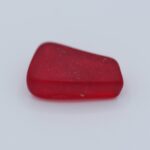
Red
Rare
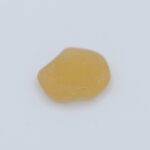
Yellow
Rare
The Deep Blues
Cobalt: pharmacy bottles, milk of magnesia
Cornflower: pharmacy bottles, vases
Turquoise: candy dishes, vases
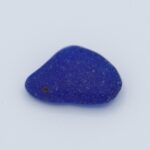
Cobalt
Rare

Cornflower
Rare
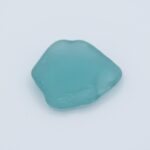
Turquoise
Rare
The Aquatic Spectrum
Aqua: insulators and mason jars
UV Lime/Yellow: dishware, vases, candy dishes. Glows under a black light.
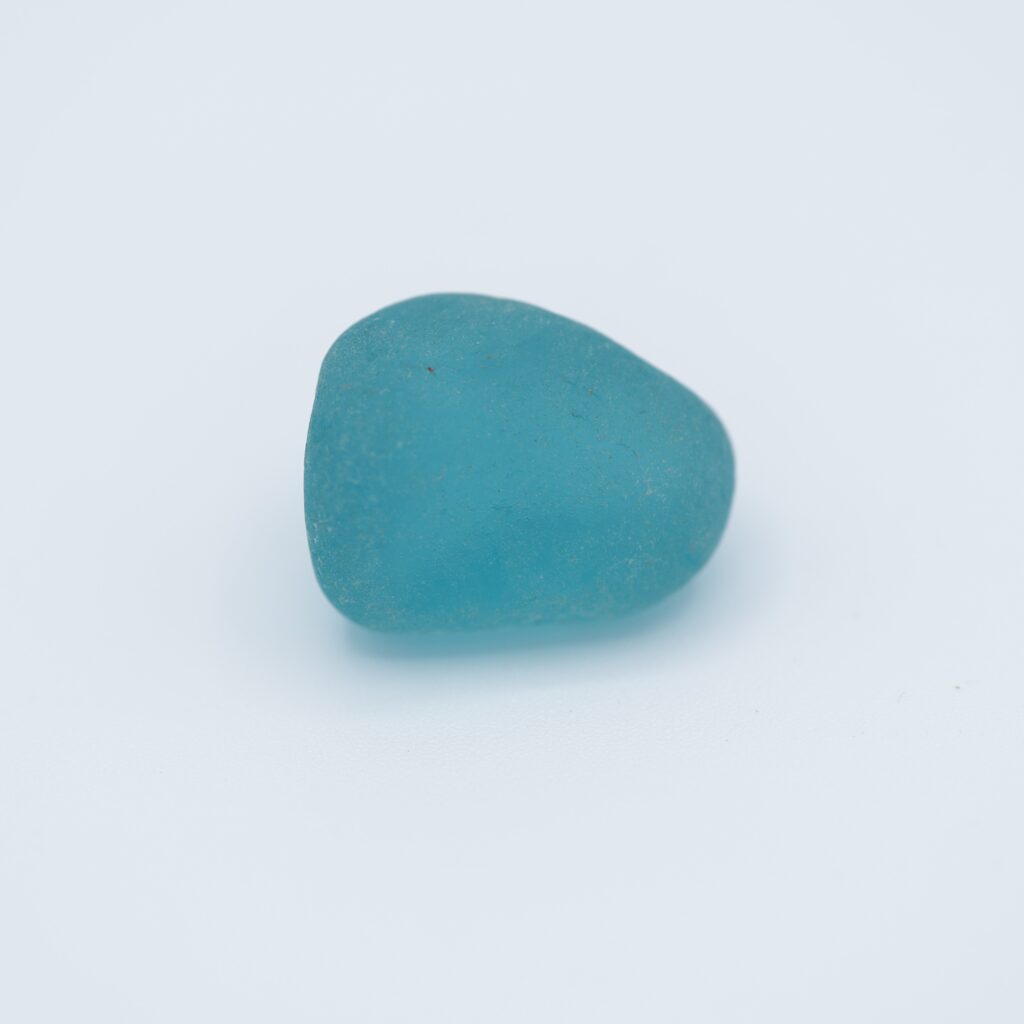
Aqua
Rare
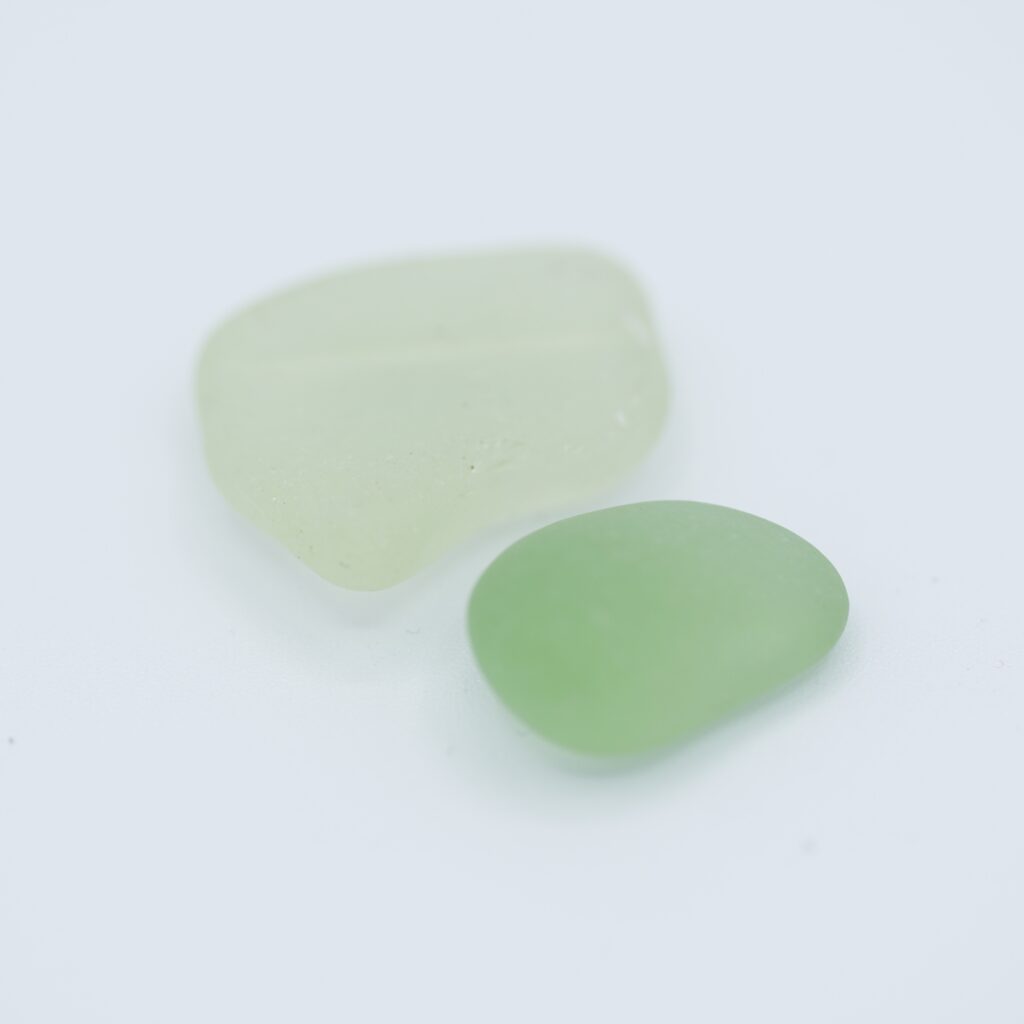
UV Lime/Yellow
Rare
The Earth & Shadow
Black: liquor bottles, slag
Gray: vintage tableware, TV screens
Green: pharmacy bottles, wine bottles, beer bottles
Brown: pharmacy bottles, Clorox bottles, beer bottles
Black
Rare
Gray
Rare
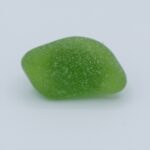
Green
Common
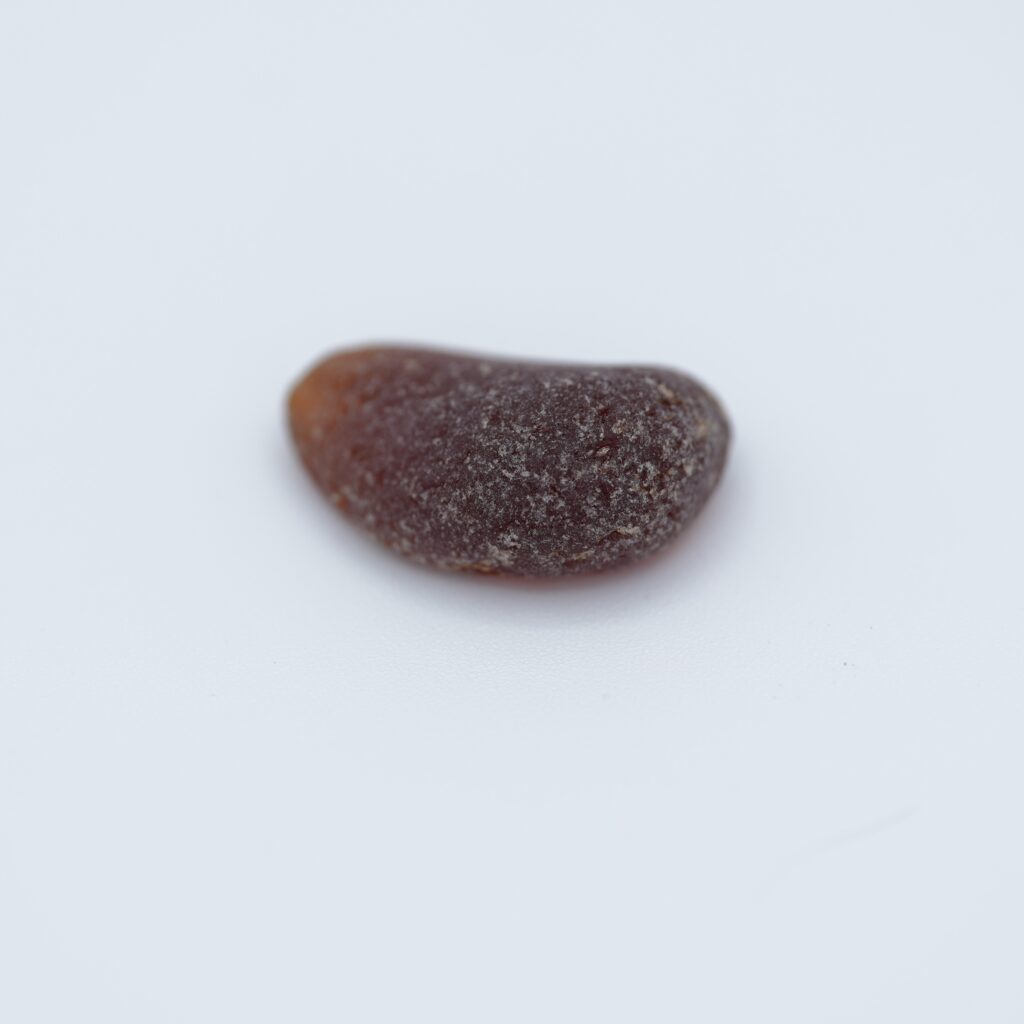
Brown
Common
The Pale Relics
Pink: Depression-era dishware, perfume bottles
Amethyst: most pieces started out clear, but sun exposure reacts with Manganese or Selenium in the glass and changes the color.
White: jars and bottles of all types
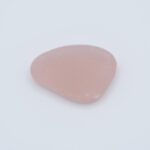
Pink
Rare
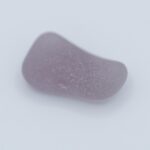
Amethyst
Rare
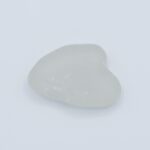
White
Most Common