
From Industrial Relic to Lake Gem
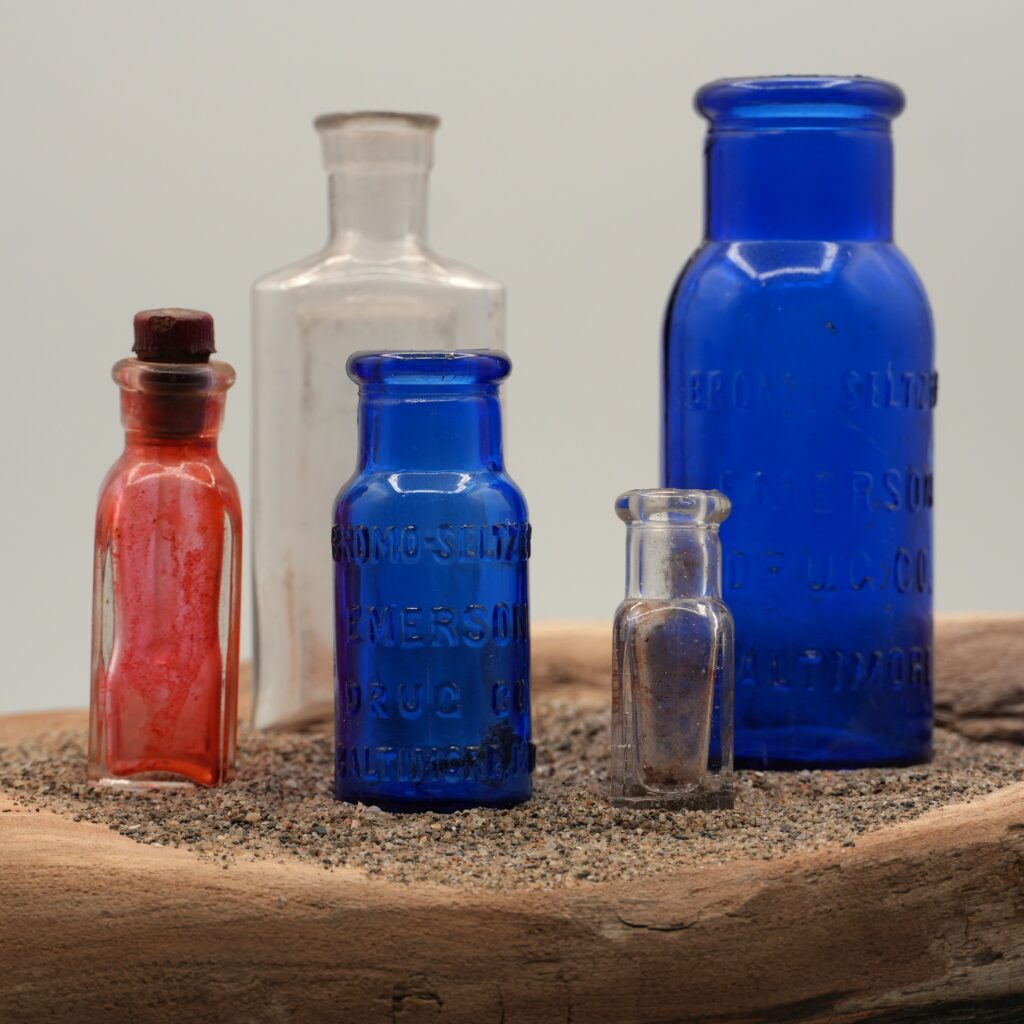
What Is It?
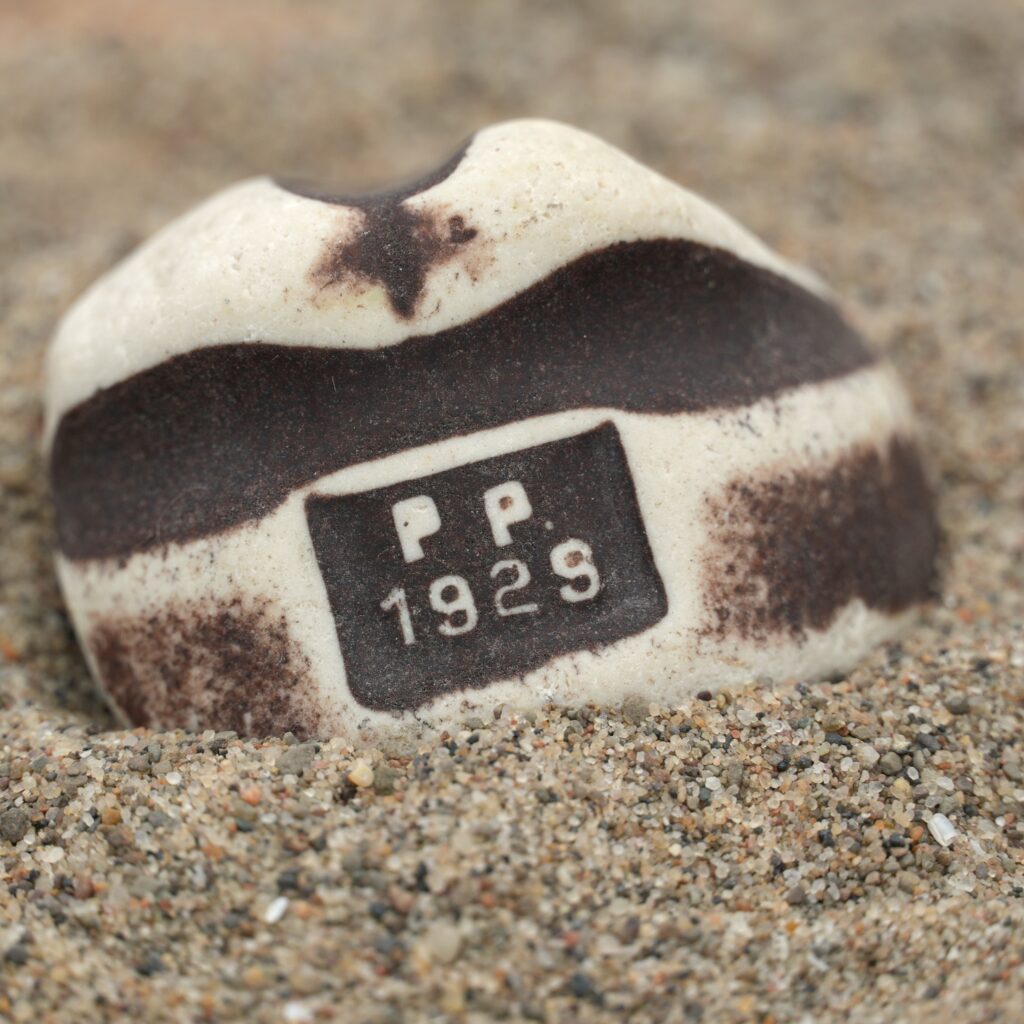
Beach glass is identified by marks, lip shape, and color. Sometimes there is no mistaking what it is. Let’s say, for example, you find a bright aqua piece, rounded at the top, with grooves inside. You definitely have an insulator. Or how about a piece of a China Doll that has been tumbled smooth, but you can still make out her face and hands? Marbles – a great day on the beach for sure!!
Lots of times, though, truly identifying a piece is not possible. However, you can get close to the date depending on the thickness, cloudiness, or how shiny or thin it is. I like to come up with my own idea for those pieces – dishes from a ship wreck, china from someone’s grandmother, or maybe a perfume bottle from the 50’s.
How Did It Get There?
Many say it is simply litter. And, of course, that is sometimes true. Many a city dump has been covered and buried, only to have the erosion take it to the water. But it certainly is not always trash. Other theories would be dishware and bottles from the galleys of the ships that have wrecked. Remember, every household item was put in glass before the widespread use of plastic.
And unfortunately, due to the erosion over the years, many houses have ended up in the water. Just think of how much glass you have in your home. Now imagine if that all ended up in the Lake!
How Old Is It?
Generally, the thicker and cloudier the glass, the older it is. 30 – 100 years old is what is considered to be vintage and antique. Think about old and vintage glass vs. modern-day glass.
Vintage would be things like Mason jars, pharmacy bottles, seltzer bottles, and insulators.
Modern glass is much thinner and shinier. Examples would be beer and wine bottles, dishes, plates, and cups, pickle jars, etc.
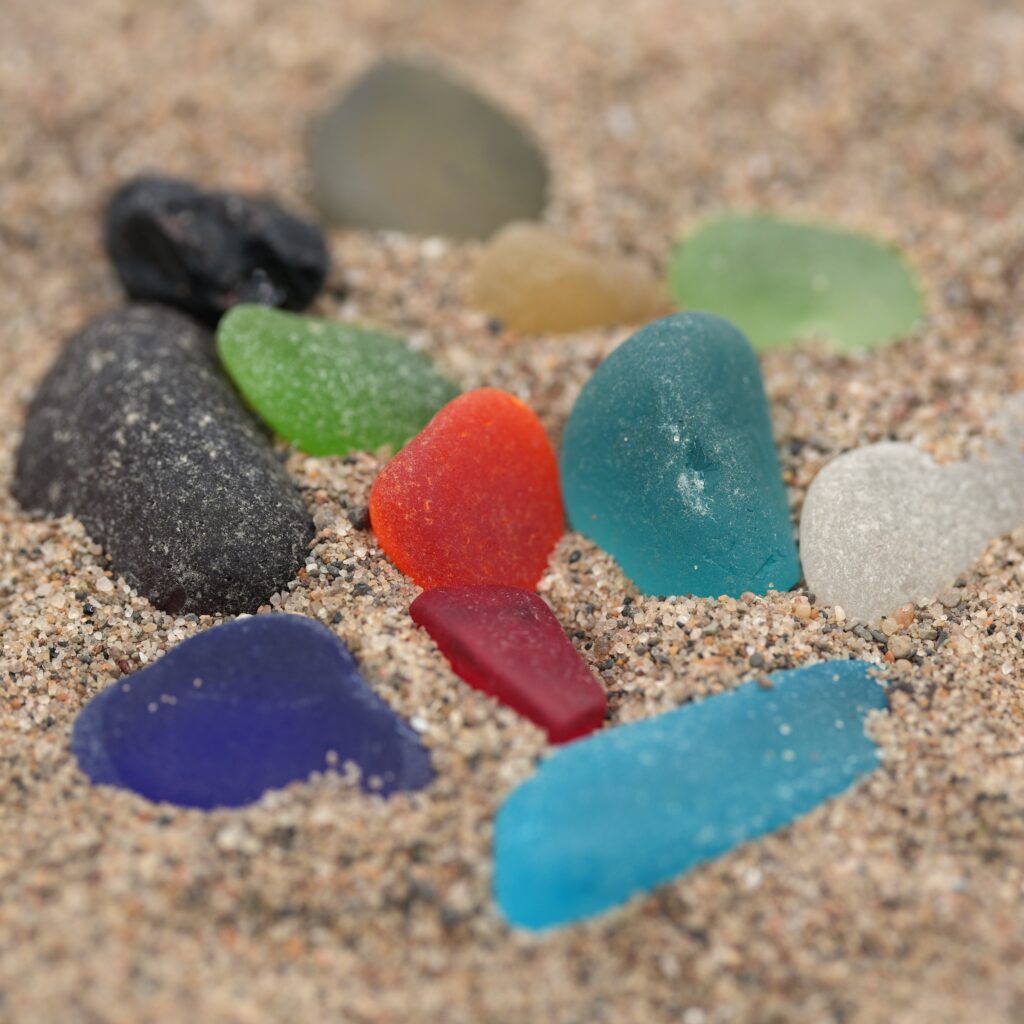
The Spectrum: A Rarity Guide
The Fire and Citron Tones
Orange: vases, dishware, art glass
Red: bottles, dishware, ship lights
Yellow: vases, art glass
Orange
Most Rare
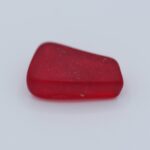
Red
Rare
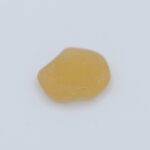
Yellow
Rare
The Deep Blues
Cobalt: pharmacy bottles, milk of magnesia
Cornflower: pharmacy bottles, vases
Turquoise: candy dishes, vases
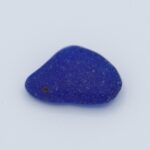
Cobalt
Rare
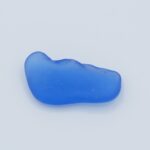
Cornflower
Rare
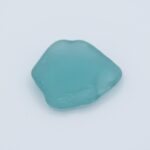
Turquoise
Rare
The Aquatic Spectrum
Aqua: insulators and mason jars
UV Lime/Yellow: dishware, vases, candy dishes. Glows under a black light.
Seafoam: Coca-Cola bottles, Bell and Mason jars.
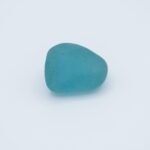
Aqua
Rare
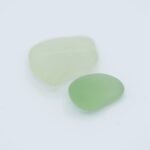
UV Lime/Yellow
Rare
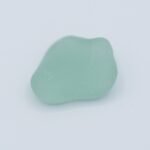
Seafoam
Common
The Earth & Shadow
Black: liquor bottles, slag
Gray: vintage tableware, TV screens
Green: pharmacy bottles, wine bottles, beer bottles
Brown: pharmacy bottles, Clorox bottles, beer bottles
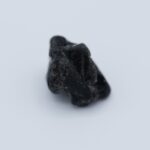
Black
Rare
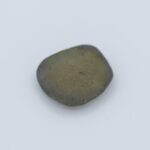
Gray
Rare
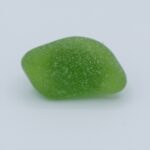
Green
Common
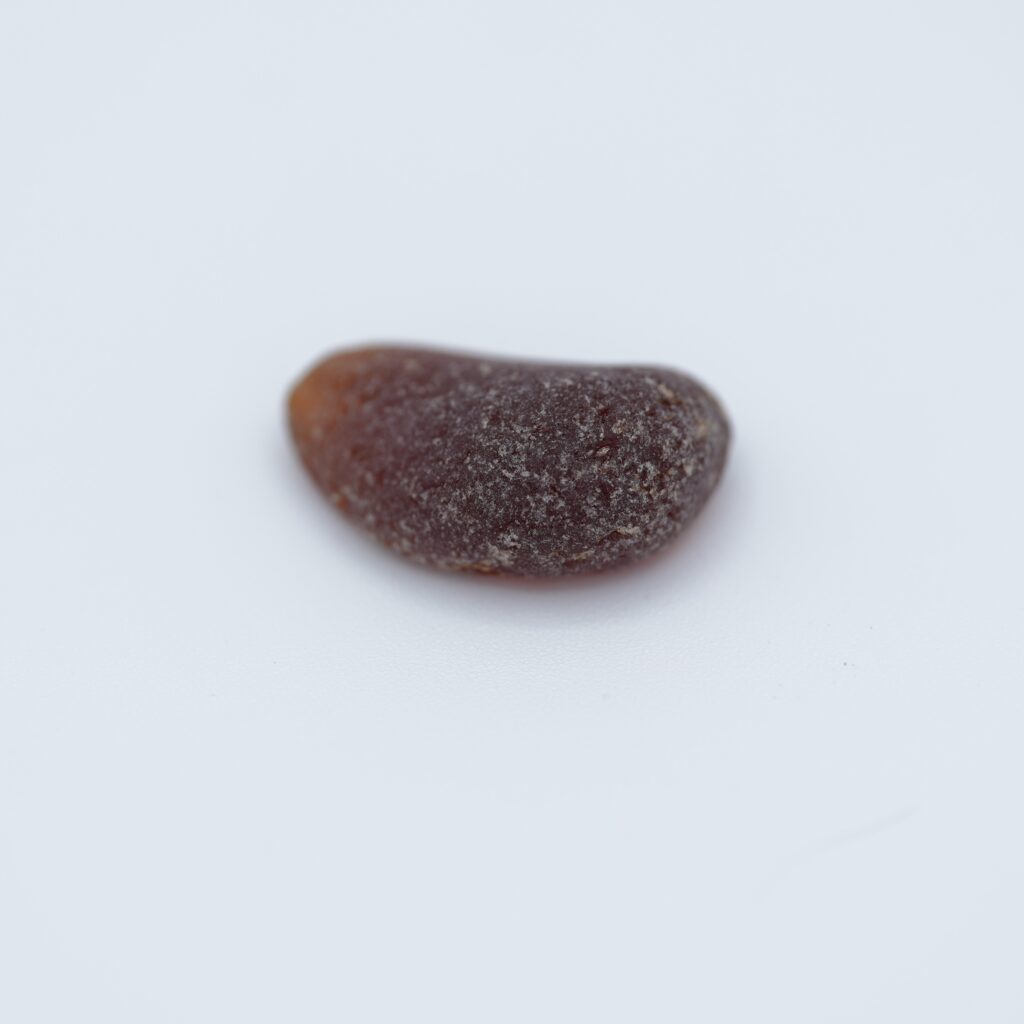
Brown
Common
The Pale Relics
Pink: Depression-era dishware, perfume bottles
Amethyst: most pieces started out clear, but sun exposure reacts with Manganese or Selenium in the glass and changes the color.
White: jars and bottles of all types
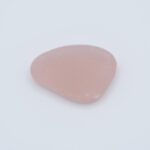
Pink
Rare
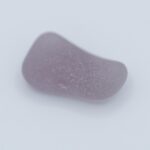
Amethyst
Rare
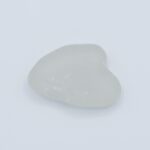
White
Most Common
From Shore to Studio
The Philosophy
“I don’t force the glass; I listen to it. Whether it’s destined to be a pair of matched earrings or a singular framed bird, every piece tells me what it wants to be.”
The 3-Step Journey
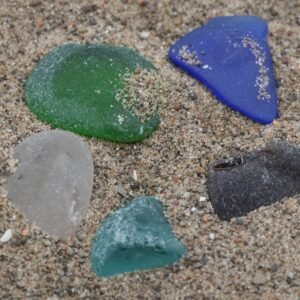
I. The Hunt
I take many trips to the Lake Erie shoreline to collect “working glass.” Each piece is hand-selected and brought back to the studio to be cleaned and air-dried.
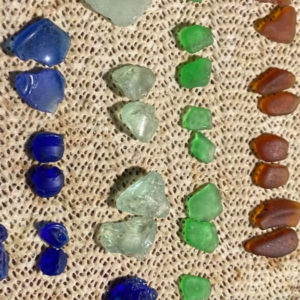
II. The Sort
The glass is separated by color and light transmission. I spend hours at the table, spreading out the harvest to find the hidden connections between shapes.
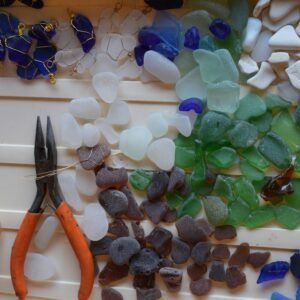
III. The Curation
This is where the path divides: will it be wire-wrapped to preserve its natural form, or carefully drilled to enhance its sculptural quality?
The Craft Focus
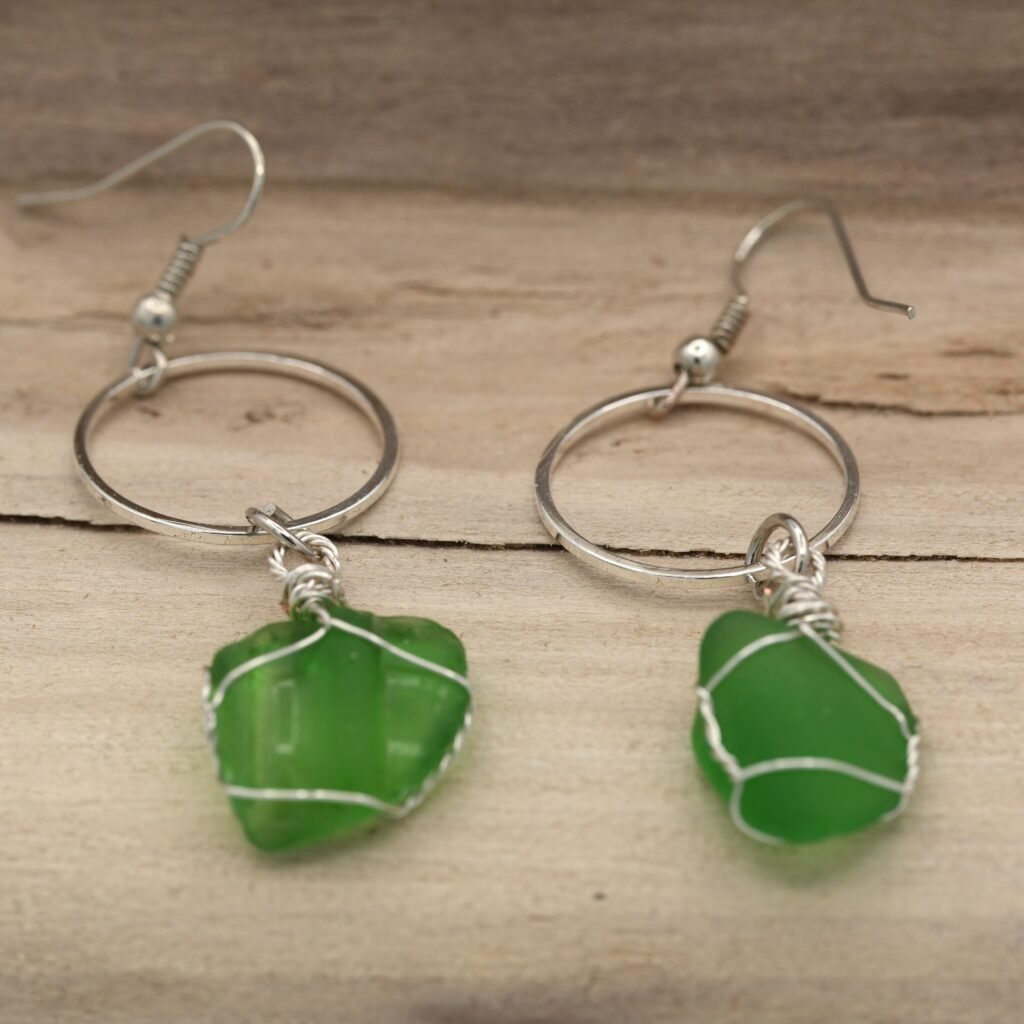
The Art of the Match (Earrings)
The hardest and most time-consuming part of my process is the “mismatching match.” No two pieces of Lake Erie glass are ever identical, so I hunt for “siblings”—pieces that share the same soul in color, weight, and size. I feel that because of the extra time I take on this step, the earrings are as close as they can be in appearance.
- The Process: Dumping sorted piles of color to find the perfect pair.
- Materials: Silver, Gold, Copper, and Black wire.
- Finishing: Hand-selected beads and custom findings (dangle, lever back, post, or clip-on).
The Weight of History (Necklaces & Pendants)
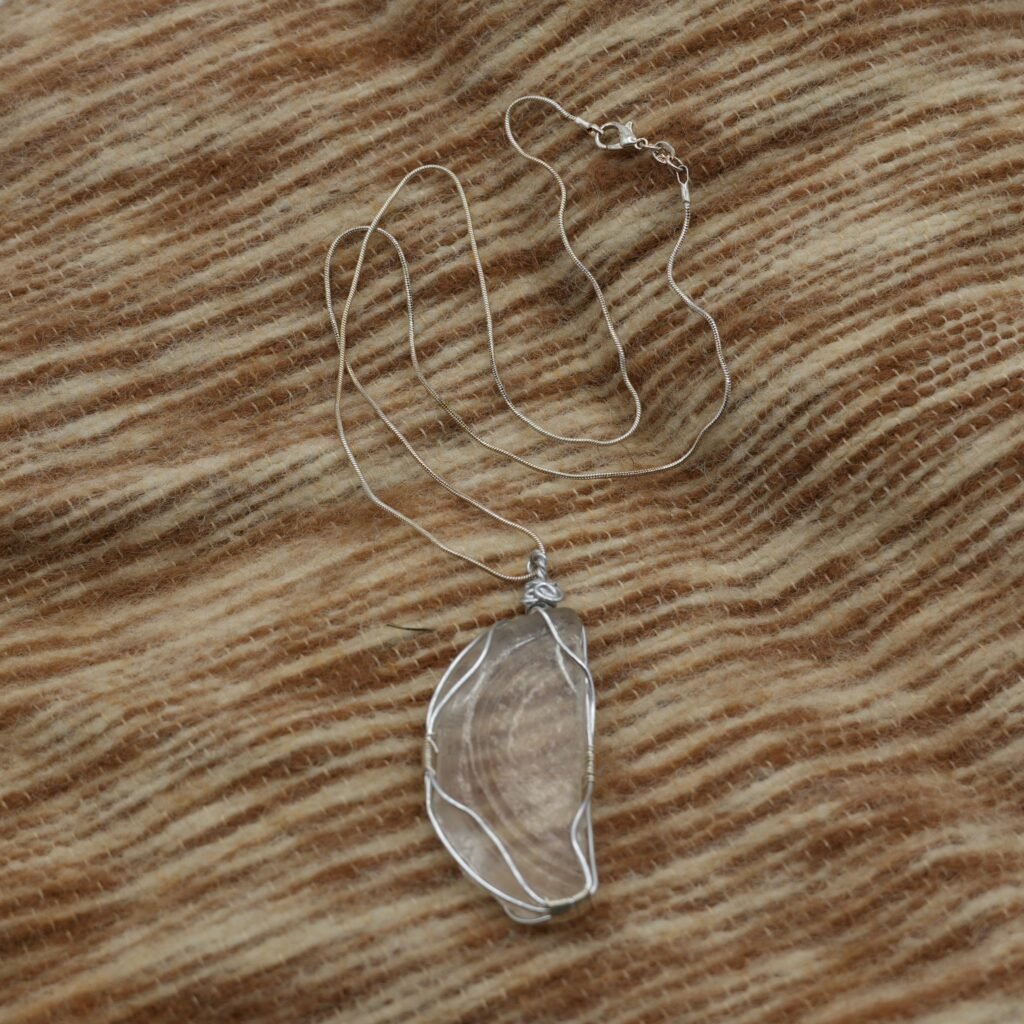
When creating necklaces or pendants, I look for “chunkier” glass—the heavy-hitters of the shoreline. These are the pieces with enough presence to stand alone.
- The Intent: I purposefully craft extra-large bails on every piece.
- Versatility: Whether hung on a chain or a leather cord, the bail is designed to be easily interchangeable to suit your style.
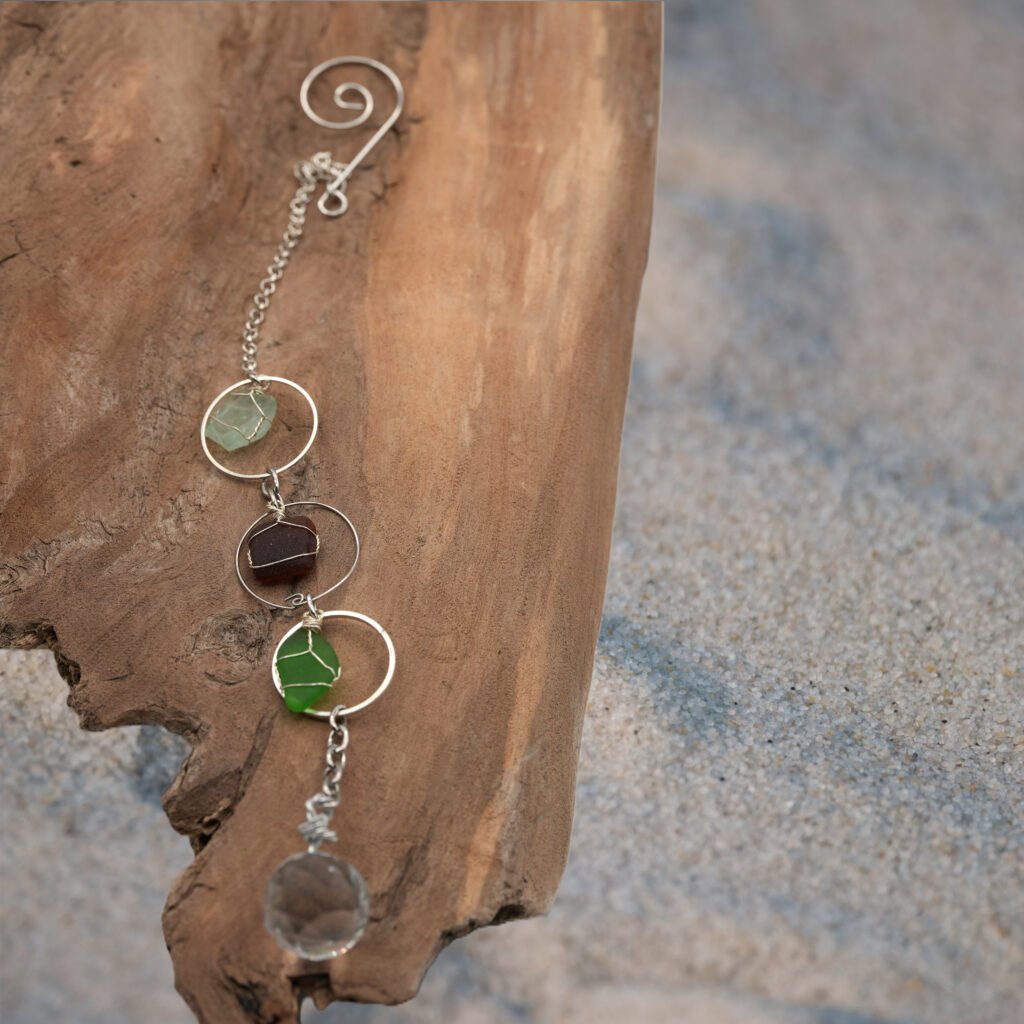
The Light Catchers (Suncatchers)
When a piece of glass is too vibrant or uniquely shaped to be worn, it finds its home in a suncatcher. These are designed to dance with the light rather than sit still.
- The Assembly: I carefully couple 2–3 pieces of hand-wrapped glass with light-refracting crystals and artisan beads.
- The Philosophy: Because the glass doesn’t have to “match” like a pair of earrings, these pieces allow for more spontaneous color stories.
- The Workbench: The glass does not have to match, so I have been known to have a tray of glass in front of me while I am watching TV (solving crimes), wrapping a stockpile.
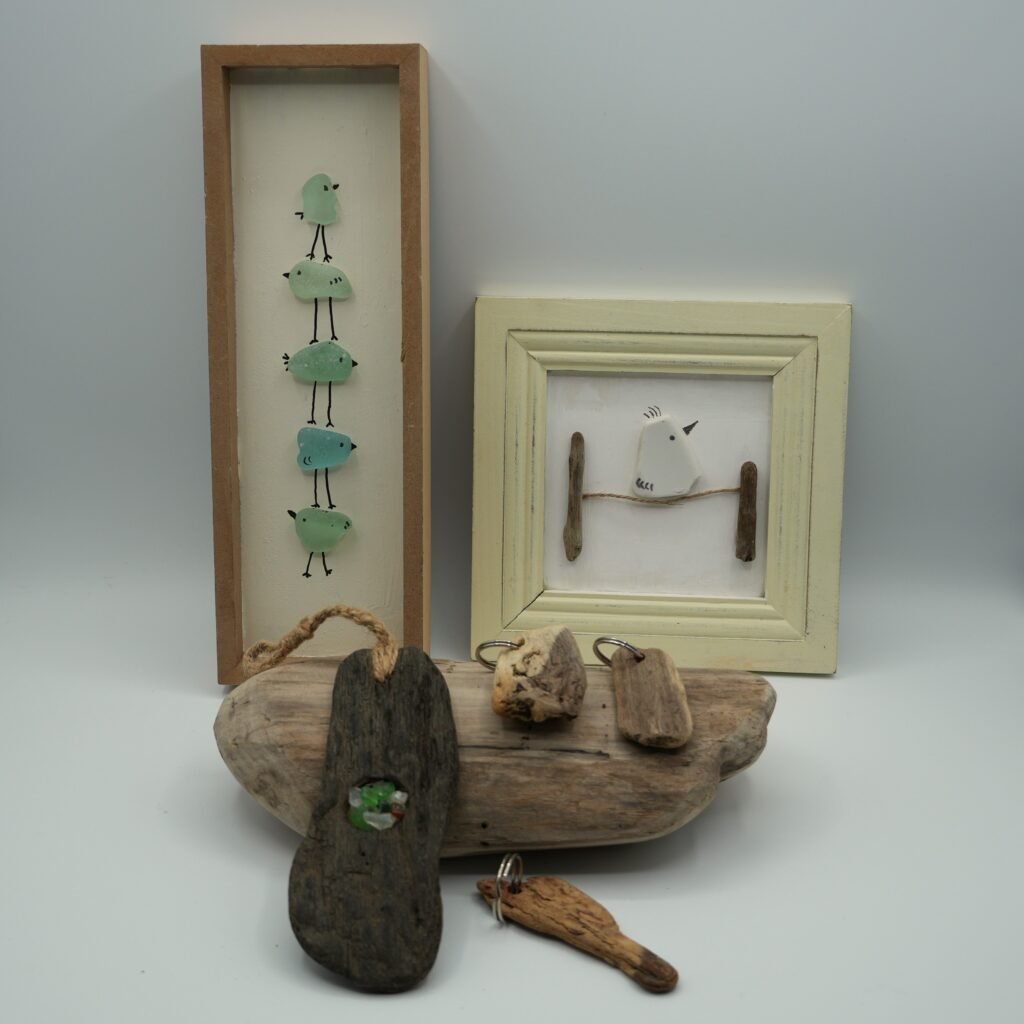
The Composition (Framed Art & Driftwood)
In the studio, I surround myself with sand, textiles, and sun-bleached driftwood. This is where I lose myself in the assembly. This is when I decide what it should be – keychains, suncatchers, plant or candle holders, etc.
- The Driftwood: If it doesn’t “speak” to me on the beach, it doesn’t make the trip home.
- The Finish: I leave it in the sun to become sun-bleached and smooth, often working with the piece exactly as the lake left it.
Studio 2.0
Hand-reclaimed. Hand-wrapped. Lake Erie refined.